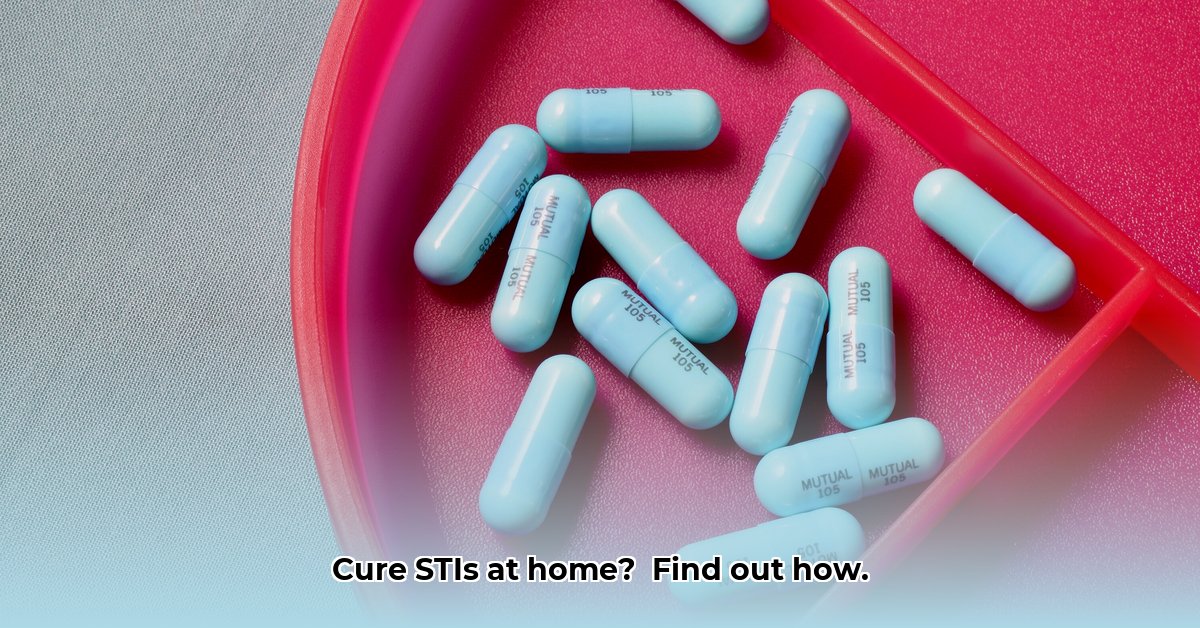
Let's chat frankly about STIs (sexually transmitted infections). Visiting a doctor can feel awkward, ek sê, but getting the right treatment is crucial. While a proper cure usually requires a doctor, there are ways to get tested and even start treatment in a more convenient way. This isn't about dodging the doctor entirely, but about finding access to care that works better for you. Remember though, this guide is for information only, and a proper diagnosis and treatment always require a healthcare professional.
Getting Tested and Treated: At-Home Tests and Telehealth
Many STIs respond well to medication, but accurate diagnosis is key. That’s where at-home tests and telehealth come in handy. These options make access to care easier, especially for those who might struggle to get to a clinic.
At-Home STI Tests: A Convenient First Step
Think of at-home tests as a quick initial check-up. They offer privacy and convenience, but remember, they're not a replacement for a full medical evaluation by a doctor.
- Choose Carefully: Many companies sell at-home STI tests. Don't just grab the first one you see! Check online reviews to find tests with high accuracy ratings and a good reputation. Look for clear instructions and details on what STIs the test can detect.
- Follow the Instructions to the Letter: Each test has precise steps. No shortcuts! Your results depend on following the instructions completely.
- Understand Your Results: A positive result means you must see a doctor. Don't panic, but seek professional medical advice immediately. A negative result isn't a guarantee you're in the clear; regular testing is important.
At-Home STI Tests: Weighing the Pros and Cons
| Feature | Advantages | Disadvantages |
|---|---|---|
| Convenience | Private, easy to use, convenient from home | Results may need a doctor's interpretation; not always definitive |
| Cost | Can be cheaper than doctor visits | Might not test for all STIs |
| Privacy | Sample collection in the comfort of your own home | You still provide personal info when ordering and submitting results |
| Accuracy | Generally reliable for common STIs but not always | Accuracy can vary between brands and types of tests |
Telehealth: Talking to a Doctor Online
Telehealth allows you to consult a doctor online. It's a great way to discuss symptoms, test results, and treatment options, all from home.
- Find a Reputable Provider: Look for telehealth services specializing in sexual health. Check if they're properly registered and read patient reviews.
- Book Your Appointment: Schedule a virtual consultation. Have your symptoms, medical history, and any test results ready.
- Discuss Treatment: The doctor will discuss necessary treatment, answer questions, and provide guidance. They can also help interpret your at-home test results.
Telehealth: The Benefits and Drawbacks
| Feature | Advantages | Disadvantages |
|---|---|---|
| Convenience | Accessible from anywhere with an internet connection | Needs a stable internet connection |
| Cost | Potentially cheaper than in-person visits | Insurance coverage may vary |
| Privacy | Consultations are kept confidential | Data security is crucial – choose reputable providers |
| Doctor Interaction | Direct interaction with a healthcare provider | No physical exam possible |
The Risks of Self-Treating STIs
Let's be honest: many people search for "natural cures" online. However, most of these are not backed by science and could be harmful. Delaying proper medical treatment can lead to serious health problems. STIs need professional medical care. Don't risk it!
Prevention is Paramount: Your Best Defence
Regular STI testing, safe sex practices (always use condoms!), and open communication with partners are vital for preventing infection. Knowledge is power!
Important: This information is for educational purposes only and is not a substitute for professional medical advice. Always consult a healthcare professional for any questions about your health or treatment of STIs. Jou gesondheid is belangrik!
How To Safely Use At-Home STD Tests with Telehealth
Key Takeaways:
- At-home STD tests increase testing access, but aren’t a replacement for doctor visits.
- Telehealth assists with test interpretation, diagnosis, and treatment.
- Accurate results depend on following instructions precisely.
- Partner notification is vital for STI management.
- Affordability and insurance coverage vary.
Concerned about STIs but hesitant about a doctor’s visit? Many find at-home tests convenient and private. But how do you use them safely and effectively, especially with telehealth?
Understanding At-Home STD Testing
At-home tests are becoming increasingly popular. They offer a level of privacy and anonymity some people prefer. Available tests cover various STIs, using high-accuracy methods (like NAATs – Nucleic Acid Amplification Tests). These tests detect the STI's genetic material, offering reliable results. But remember, even the best tests can have a small margin of error.
Safely Using At-Home STD Tests with Telehealth: A Step-by-Step Guide
- Choose a Reputable Test: Research brands, check reviews, and ensure reliable testing methods are used. Look for properly registered tests where possible.
- Follow Instructions Precisely: Each kit has specific instructions. Read them meticulously before starting. Pay close attention to sample collection and storage.
- Complete the Test Correctly: Accurate results depend on correct sample collection. If unsure, consult the instructions or a telehealth provider. Don't rush!
- Utilise a Telehealth Platform: Many at-home tests integrate with telehealth platforms. These services offer guidance, result interpretation, and treatment recommendations.
- Interpret Your Results: Your telehealth provider will help explain the results. A positive result requires immediate medical attention; don't self-treat.
- Inform Your Partners: If positive, notify your partners. This is crucial to prevent further spread. Many telehealth platforms assist with responsible partner notification.
Pros and Cons of At-Home STD Testing with Telehealth
| Feature | Pros | Cons |
|---|---|---|
| Convenience & Privacy | Test from home; avoid clinic visits; increased discretion. | May lead to delayed treatment if results are misinterpreted. |
| Accessibility | Easier access for those with geographical limitations or social anxieties. | Cost can be a barrier; insurance coverage varies. |
| Accuracy | Uses high-accuracy testing methods comparable to clinics. | Human error in test administration remains a concern. |
| Telehealth Integration | Provides guidance, result interpretation, and treatment recommendations. | Requires internet access and tech proficiency; not all tests integrate completely. |
Addressing Concerns and Misconceptions
Many fears surround STIs. Remember, they are treatable medical conditions, not moral judgments. Getting tested is a responsible act of self-care. Early detection and treatment minimise long-term complications. Don't let stigma or fear prevent you from protecting your health.
The Future of At-Home STD Testing
Technology is progressing rapidly. Faster point-of-care tests may soon provide results in minutes. These advancements promise even greater accessibility and convenience. But for now, responsible use of current at-home testing, combined with telehealth, significantly improves sexual health access.